Before you drive your pride and joy, maybe check your vision first?
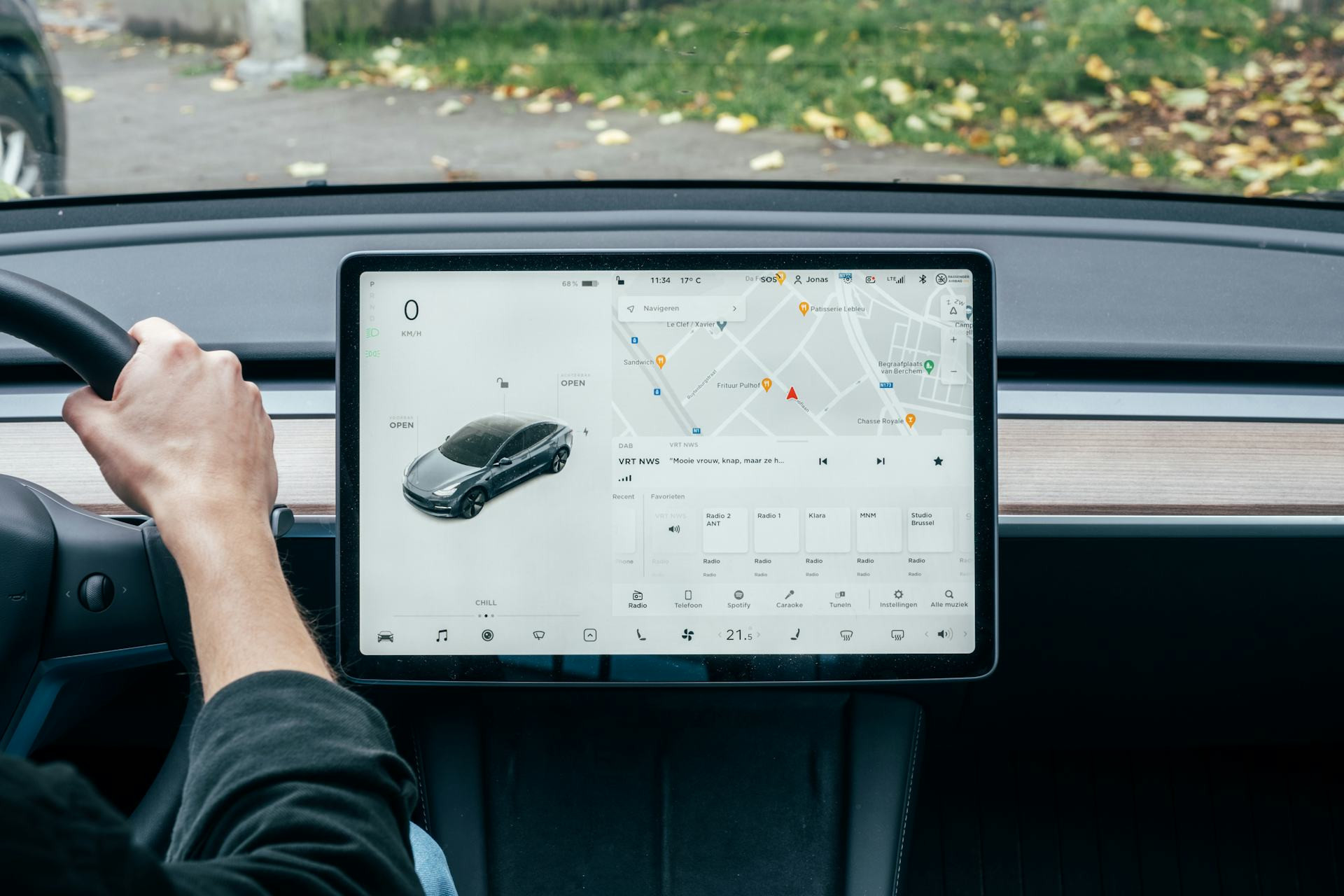
Before you drive your pride and joy, maybe check your vision first?
The Importance of Good Vision for Drivers
When it comes to driving, your vehicle may be your pride and joy, but the most important asset on that journey is your eyesight. Good vision is essential for safe driving. Poor eyesight can lead to dangerous situations on the road, potentially endangering yourself and others around you.
How Vision Affects Driving Performance
Driving requires a range of visual skills, such as depth perception, peripheral vision, and the ability to recognize colors quickly. All of these factors play an integral role in how effectively you can navigate your vehicle. For example, depth perception helps you judge distances accurately when changing lanes or merging onto highways.
Moreover, peripheral vision is crucial when checking mirrors and monitoring your surroundings for pedestrians, cyclists, and other vehicles. Distinguishing between traffic lights and recognizing road signs are also essential skills that rely heavily on your ability to see color accurately.
Common Vision Impairments and Their Impact
Many drivers underestimate the impact of common vision impairments. Conditions like nearsightedness, farsightedness, astigmatism, and even age-related deterioration, such as presbyopia, can hinder your driving abilities. These issues may not seem serious when you are stationary, but the consequences can be severe while driving.
For instance, someone with uncorrected nearsightedness may struggle to see distant objects clearly, affecting their ability to react appropriately to oncoming traffic. Similarly, individuals suffering from cataracts may find that their night vision is compromised, making it difficult to drive after sunset.
Signs You May Need to Check Your Vision
Its essential to be aware of signs that indicate you might need a vision check. If you experience any of the following symptoms, consider scheduling an eye examination:
- Frequent squinting or eye strain.
- Blurred or double vision.
- Difficulty focusing on distant objects.
- Challenges with night driving.
- Increased sensitivity to light.
Ignoring these signs can lead to dire consequences. If youre not seeing clearly, the likelihood of accidents increases significantly. Remember, a crucial part of being a responsible driver is recognizing and addressing potential issues with your vision.
How to Maintain Good Vision for Driving
Maintaining your eye health can help ensure that your vision remains sharp for safe driving. Here are some tips:
- Regular Eye Checkups: Visit an eye care professional at least once a year, or as often as recommended based on your vision needs.
- Wear Corrective Lenses: If you require glasses or contact lenses, ensure they are up-to-date and worn as prescribed.
- Protect Your Eyes: Use sunglasses with UV protection when driving during sunny conditions, and consider wearing protective eyewear in certain environments.
- Eat Eye-Healthy Foods: Nutrients such as omega-3 fatty acids, vitamin C, and vitamin E support overall eye health. Consider incorporating leafy greens, fish, and nuts into your diet.
- Limit Screen Time: Spending long hours staring at screens can lead to digital eye strain. Take regular breaks to rest your eyes.
Understanding Legal Requirements for Vision
In addition to personal safety, its vital to understand the legal requirements regarding vision tests for drivers. Many regions mandate regular vision testing as part of the licensing process. This ensures that all drivers meet a basic standard of visual acuity necessary for safe driving.
Failure to meet these standards can result in suspension of your driving privileges. Familiarize yourself with local regulations concerning vision requirements and ensure you remain compliant.
The Role of Technology in Enhancing Vision
Today’s technology offers various options for improving driving safety through enhanced vision. Features like adaptive headlights, collision warning systems, and even heads-up displays are designed to aid drivers in maintaining better awareness of their surroundings.
Additionally, consider using apps or devices that provide driving assistance and help monitor your overall driving habits, indirectly encouraging better visual awareness on the road.
Ultimately, your vehicle may be a fantastic machine, but your ability to drive it safely begins with your vision. Stay vigilant and always prioritize good eye health before hitting the road.