Can the art of building redefine masculinity in modern construction?

Can the art of building redefine masculinity in modern construction?
The Changing Face of Masculinity
Traditionally, masculinity has been associated with strength, aggression, and control. In many professions, especially in fields like construction, this image still persists. However, as society evolves, so too does the understanding of masculinity. We are beginning to see a shift toward a more nuanced view that includes collaboration, creativity, and emotional intelligence.
Building is not just about constructing structures; it encompasses artistry, precision, and a deep connection to the environment and community. As we start to appreciate these aspects, the notion of what it means to be masculine in this industry is also changing.
Reimagining Construction Practices
The art of building integrates various elements, including design, materials, and techniques that encourage sustainability and innovation. This shift means that the construction industry is not only about erecting buildings but also about creating spaces that enhance human experiences.
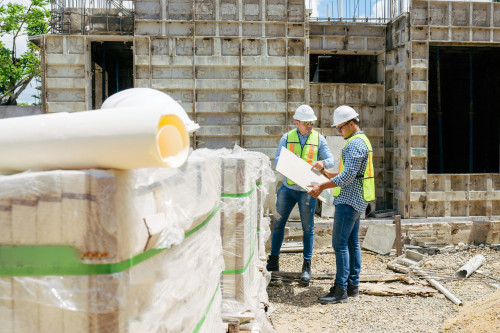
Men who engage in these redefined practices exemplify a masculinity that values craftsmanship over brute force. They communicate, solve problems, and work collaboratively with diverse teams that include architects, engineers, and environmental experts. This approach promotes a new standard of masculinity—one that is multifaceted and deeply involved in the creative process.
Collaboration Over Competition
While construction has traditionally been a competitive field, the art of building advocates for collaboration. In modern projects, teams are more often made up of individuals who bring diverse perspectives and talents to the table.
This shift allows men in the construction industry to embrace qualities such as empathy, patience, and listening—all of which are essential for effective teamwork. Rather than being viewed as weaknesses, these traits are increasingly recognized as strengths. By fostering a collaborative environment, the industry can attract a more diverse workforce and cultivate innovation in building practices.
Emotional Intelligence in Leadership
Effective leadership in construction is evolving. No longer is the “tough guy” approach the norm. Current leaders are now required to possess emotional intelligence, enabling them to inspire and connect with their teams.
This type of leadership is incredibly beneficial in an industry rife with stress and deadlines. By understanding and managing their emotions, as well as those of their team members, leaders can create a more positive work environment. This change allows men in leadership roles to redefine their masculinity through supportive and constructive approaches.
The Role of Education and Training
Educational institutions and training programs are adapting to these changes in the construction field. New curricula emphasize skills beyond technical abilities, highlighting the importance of soft skills, teamwork, and emotional well-being.
As these programs evolve, they encourage young men and women to embrace a form of masculinity rooted in creativity, collaboration, and holistic problem-solving. With exposure to these new ideas, future generations may reshape the industry, leading to a more inclusive and supportive construction culture.
Artistry in Architecture
The concept of artistry in building is increasingly significant. Artists and designers are now more involved in the construction process, bridging the gap between aesthetics and functionality.
This connection allows for innovative designs that not only serve practical purposes but also bring beauty to the environment. Men who contribute to such work can express their masculinity through creativity and artistry rather than traditional, narrow definitions of strength.
Community Impact and Responsibility
Many modern construction projects now integrate community feedback and sustainability. Understanding local needs and minimizing ecological footprints can profoundly alter how masculinity is perceived in this industry.
Men involved in these projects often take on roles that require them to advocate for community interests, becoming allies rather than simply workers. This advocacy expands their masculine identity from builders to community leaders, committed to social responsibility and sustainability.
Paving the Path Forward
The intersection of masculinity and construction is undoubtedly complex and evolving. As notions of masculinity change, the art of building offers a fresh perspective that encourages collaboration, creativity, and emotional intelligence.
As we continue to progress toward a more inclusive construction industry, the opportunity for men to redefine their roles in this space is immense. The art of building invites a new generation to hear the call of artistry in construction, emphasizing that strength can be found in creativity, leadership, and community engagement.