Mastering the right training techniques for dedicated amateur athletes
Mastering the right training techniques for dedicated amateur athletes
Dedicated amateur athletes often face unique challenges as they strive to improve their performance while balancing other commitments. Finding the right training techniques is essential for maximizing their potential. This article explores effective strategies that can help amateur athletes refine their training regimen and achieve their goals.
Understanding Your Sport
Before diving into training techniques, its crucial to have a clear understanding of your specific sport. Each sport has its unique demands, skills, and attributes. Whether you’re running, swimming, or playing a team sport, research and analyze the components that contribute to success in your discipline.
Consider the physical requirements, endurance levels, and even tactical elements involved. Understanding these factors will help you tailor your training more effectively.
Setting SMART Goals
Once you have grasped the dynamics of your sport, the next step is setting SMART goals—Specific, Measurable, Achievable, Relevant, and Time-bound. This framework ensures that your objectives are clear and attainable.
For example, instead of saying, “I want to run faster,” a SMART goal would be, “I want to improve my 5K time by two minutes within three months.” This clarity will guide your training plan, allowing you to track progress and make necessary adjustments along the way.
Creating a Balanced Training Program
A balanced training program encompasses various elements, including endurance, strength, flexibility, and skill development. Integrating these components is vital to building overall athleticism.
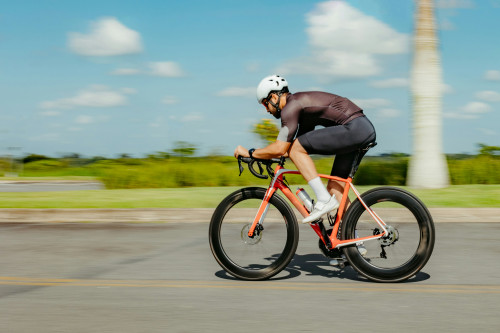
Endurance Training: Essential for most sports, this type of training builds aerobic capacity and stamina. Incorporate long runs, cycling, or swimming sessions into your weekly routine.
Strength Training: Building muscle strength is crucial for enhancing performance and reducing injury risk. Aim for a combination of resistance training and bodyweight exercises two to three times per week.
Flexibility and Mobility Work: Never underestimate the power of stretching and mobility drills. Incorporate yoga or Pilates to improve flexibility and reduce muscle tightness.
Listening to Your Body
One of the most important skills an athlete can develop is tuning into their body. While pushing your limits is part of the training journey, overtraining can lead to burnout and injuries.
Pay attention to signs of fatigue, soreness, or pain. If you experience discomfort, it may be time to adjust your training intensity or take a recovery day. Listening to your body ensures long-term sustainability in your athletic pursuits.
Incorporating Rest and Recovery
Rest and recovery are essential components of any effective training program. Your body needs time to heal and strengthen after workouts. Incorporate active recovery days with low-intensity activities such as walking or swimming.
Additionally, prioritize quality sleep and proper nutrition to aid recovery. Supplements or strategies, such as foam rolling or massage, can also assist in muscle recovery and preparation for the next training session.
Utilizing Positive Mindset Techniques
A strong mental game can set dedicated amateur athletes apart. Visualization techniques, affirmations, and mindfulness practices can enhance focus and performance.
Visualization involves imagining yourself achieving your goals, which can be a powerful motivator. Meanwhile, affirmations can help reinforce a positive self-image, fostering resilience and confidence during training and competition.
Tracking Your Progress
To ensure you’re on track towards your goals, implementing a system for measuring your progress is paramount. Keep a training journal or use apps to log workouts, track your performance, and maintain accountability.
Analyzing this data can provide valuable insights into what techniques are effective and where improvements are needed. Regular assessments will help refine your training strategy over time.
Incorporating these effective training techniques will empower dedicated amateur athletes in their pursuit of excellence. Embrace your journey, adapt your strategies, and watch your skills and performance evolve.