Understanding the economy: How it impacts your financial decisions
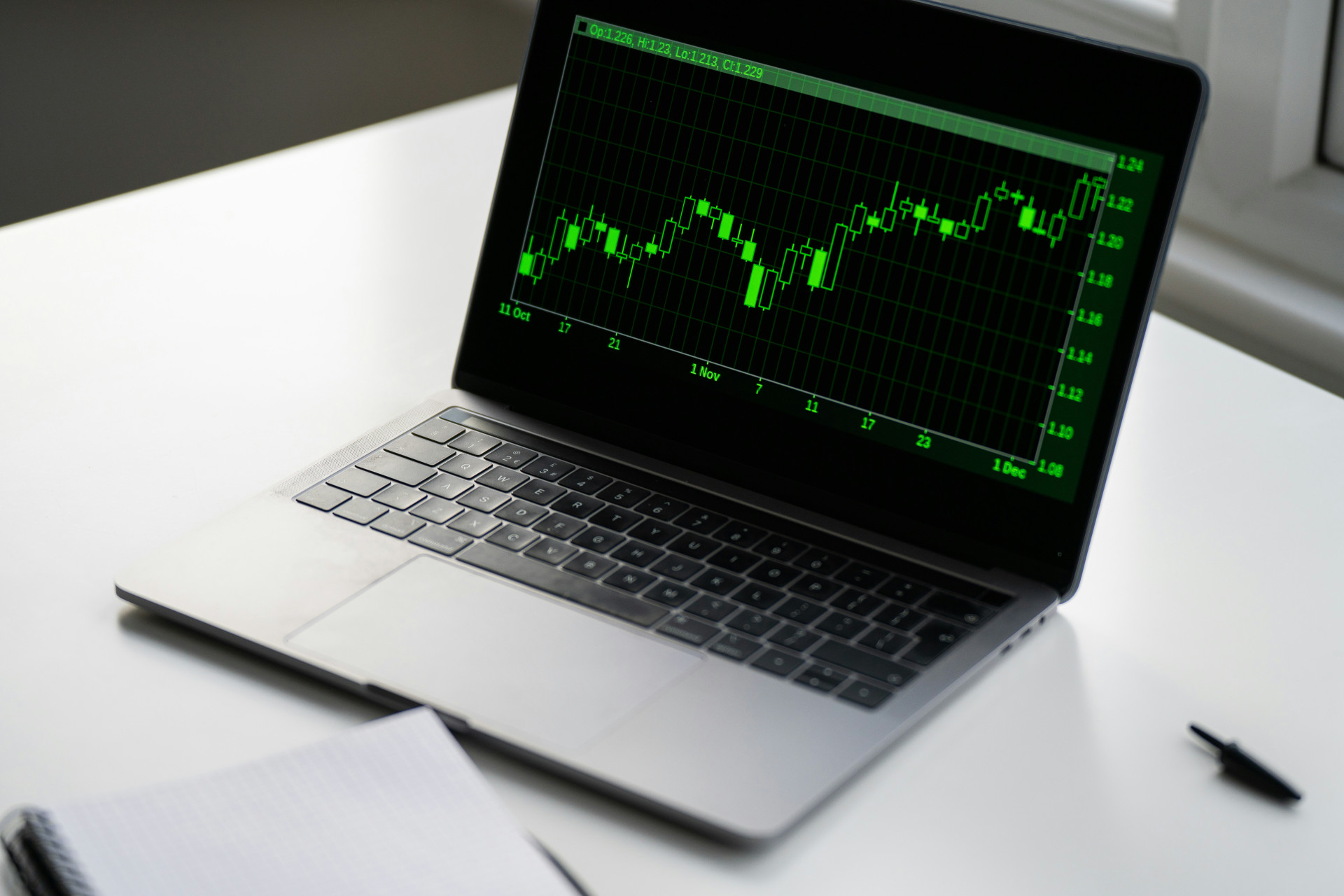
Understanding the economy: How it impacts your financial decisions
In today’s fast-paced world, understanding the economy is vital for making informed financial decisions. Economic conditions can influence everything from job security to your savings and investment strategies. This article will delve into how the economy affects your financial landscape and provide insight into making sound choices amid fluctuating economic conditions.
What is the Economy?
The economy refers to the system by which goods and services are produced, distributed, and consumed in a society. It encompasses various factors, such as labor, capital, and resources, along with the interactions of consumers and producers. The economy can be categorized into different types, including local, national, and global economies, each with its unique characteristics and influences.
The Role of Economic Indicators
Economic indicators are statistics that provide insight into the health of an economy. Key indicators include Gross Domestic Product (GDP), unemployment rates, inflation rates, and consumer spending. Monitoring these indicators can help you understand economic trends and forecast potential shifts in the market.
For example, a rising GDP typically signifies economic growth, suggesting that job opportunities may increase. Conversely, a spike in unemployment can hint at potential economic downturns, prompting you to reassess your job security and savings strategies.
The Influence of Interest Rates
Interest rates are a crucial factor in the economy that directly affects your borrowing costs and savings returns. Central banks, like the Federal Reserve in the United States, adjust interest rates to manage inflation and control economic activity. When interest rates rise, borrowing becomes more expensive, which can lead to reduced consumer spending and lower investment levels.
On the flip side, lower interest rates can encourage borrowing and spending, stimulating economic growth. Understanding interest rate trends can aid you in deciding the best time to take out loans, refinance existing debts, or invest your money in savings accounts or fixed-income securities.
Inflation and Your Purchasing Power
Inflation measures the rate at which the general level of prices for goods and services rises, eroding purchasing power. When inflation is high, your money buys less than it did before, affecting how you allocate your budget. It’s essential to keep an eye on inflation rates to anticipate how they might impact your cost of living.
Inflation can also influence savings and investments. For instance, if the inflation rate exceeds the interest rate on your savings account, the real value of your savings diminishes over time. Therefore, considering investment options that can potentially outpace inflation, such as stocks or real estate, may become increasingly important.
Consumer Confidence and Spending Habits
Consumer confidence measures how optimistic individuals are regarding the economys performance. High consumer confidence typically leads to increased spending and investment, while low confidence can result in cautious behavior, where individuals save more and spend less.
Your financial decisions can be influenced by consumer sentiment as well. For instance, during periods of high confidence, you may feel more inclined to make significant purchases, such as buying a home or upgrading your car. Conversely, in times of uncertainty, prioritizing savings and building an emergency fund might take precedence.
Global Economic Factors
In our interconnected world, global economic events can significantly impact local economies. Factors such as trade agreements, geopolitical tensions, and global market trends can spill over, affecting currency values, stock markets, and employment opportunities.
Staying informed about global economic trends can provide context for your personal financial decisions. For example, a trade war might lead to increased prices for imported goods, affecting your budget and spending habits. Awareness of these factors allows you to react proactively to shifting economic landscapes.
Making Informed Financial Decisions
Incorporating economic understanding into your financial decision-making can lead to better outcomes. Be proactive about educating yourself on economic principles, changes in indicators, and relevant global developments.
Consider creating a diversified investment portfolio that aligns with your risk tolerance and financial goals. Building an emergency fund can provide a safety net during economic downturns, ensuring financial stability in uncertain times. Additionally, regularly reviewing your budget and financial plans will help you stay adaptable in the face of changing economic conditions.
Ultimately, being aware of the economy empowers you to make informed choices that can secure your financial future and help you navigate the complexities of financial decision-making.