Halls of Legends: The World’s Most Famous Casinos and Their Significance in the History of Gambling

Halls of Legends: The World’s Most Famous Casinos and Their Significance in the History of Gambling
Casinos have always been more than just places to wager money. They are symbols of glamour, risk, and humanity’s enduring fascination with chance. From the gilded halls of Monte Carlo to the neon glow of Las Vegas, casinos have shaped culture, architecture, and entertainment across centuries. In this article, we explore some of the world’s most iconic casinos – and how each has left its mark on the history of gambling.
Monte Carlo Casino – The Playground of Aristocracy
When one thinks of classic casino elegance, Casino de Monte-Carlo in Monaco immediately comes to mind. Opened in 1863 under the vision of Princess Caroline to rescue the principality’s struggling economy, it quickly became a gathering place for Europe’s elite.
Monte Carlo embodied refinement: tuxedos, evening gowns, and an atmosphere of exclusivity. Roulette and baccarat were played with a quiet sophistication that set it apart from the more raucous gambling houses of the time. The casino defined what luxury gaming should look like – inspiring countless films and novels that used its opulent rooms as a backdrop for intrigue and romance.
Las Vegas – The Desert City That Became the World’s Gaming Capital
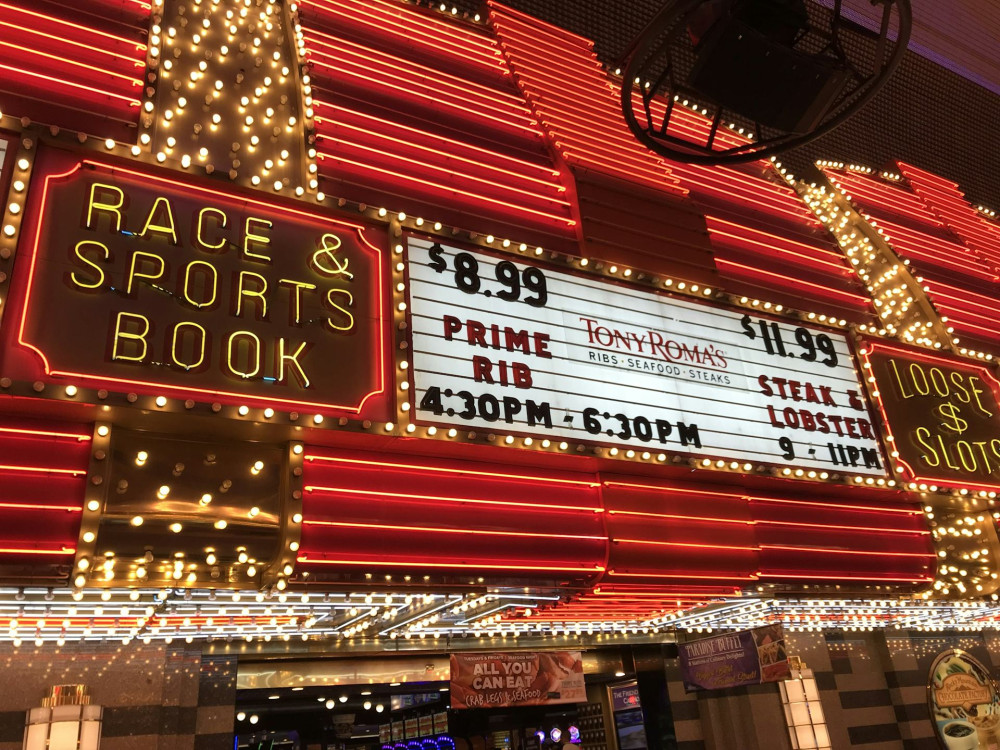
If Monte Carlo was the playground of aristocrats, Las Vegas became the playground of the people. Emerging in the 1940s as a haven for entertainment and risk-taking, the city’s early years were shaped by a mix of ambition, organised crime, and showmanship. That unlikely combination gave birth to the unique Las Vegas spirit.
Landmarks such as The Flamingo, Caesars Palace, and The Bellagio became more than casinos – they were temples of experience. Here, gambling was fused with live shows, fine dining, and architectural spectacle on a scale the world had never seen. Las Vegas transformed the casino into a total entertainment destination – a place where even losing could feel like winning.
Macau – The Eastern Powerhouse
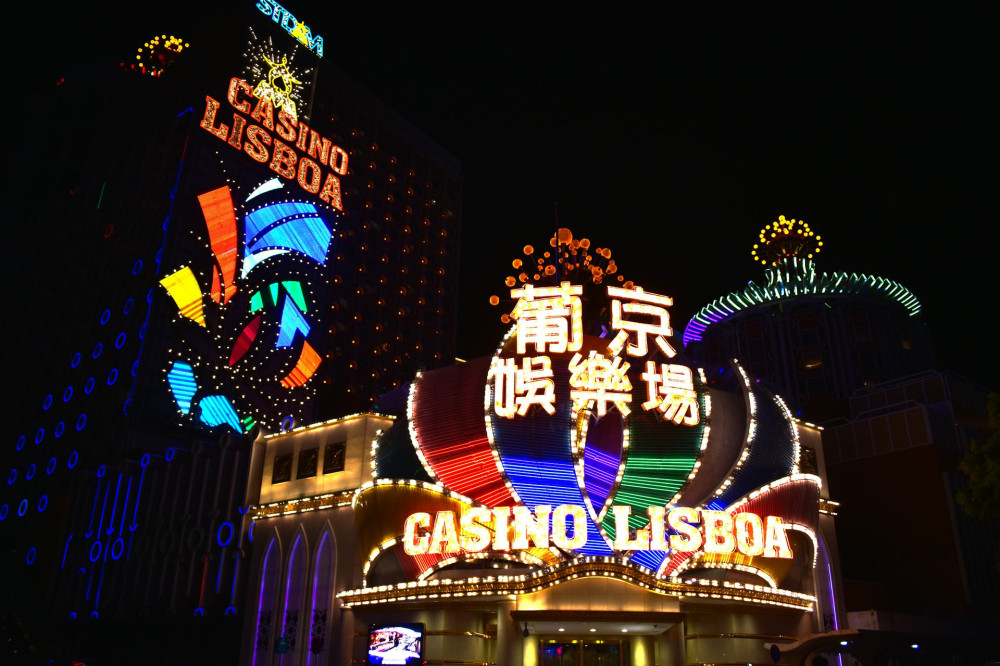
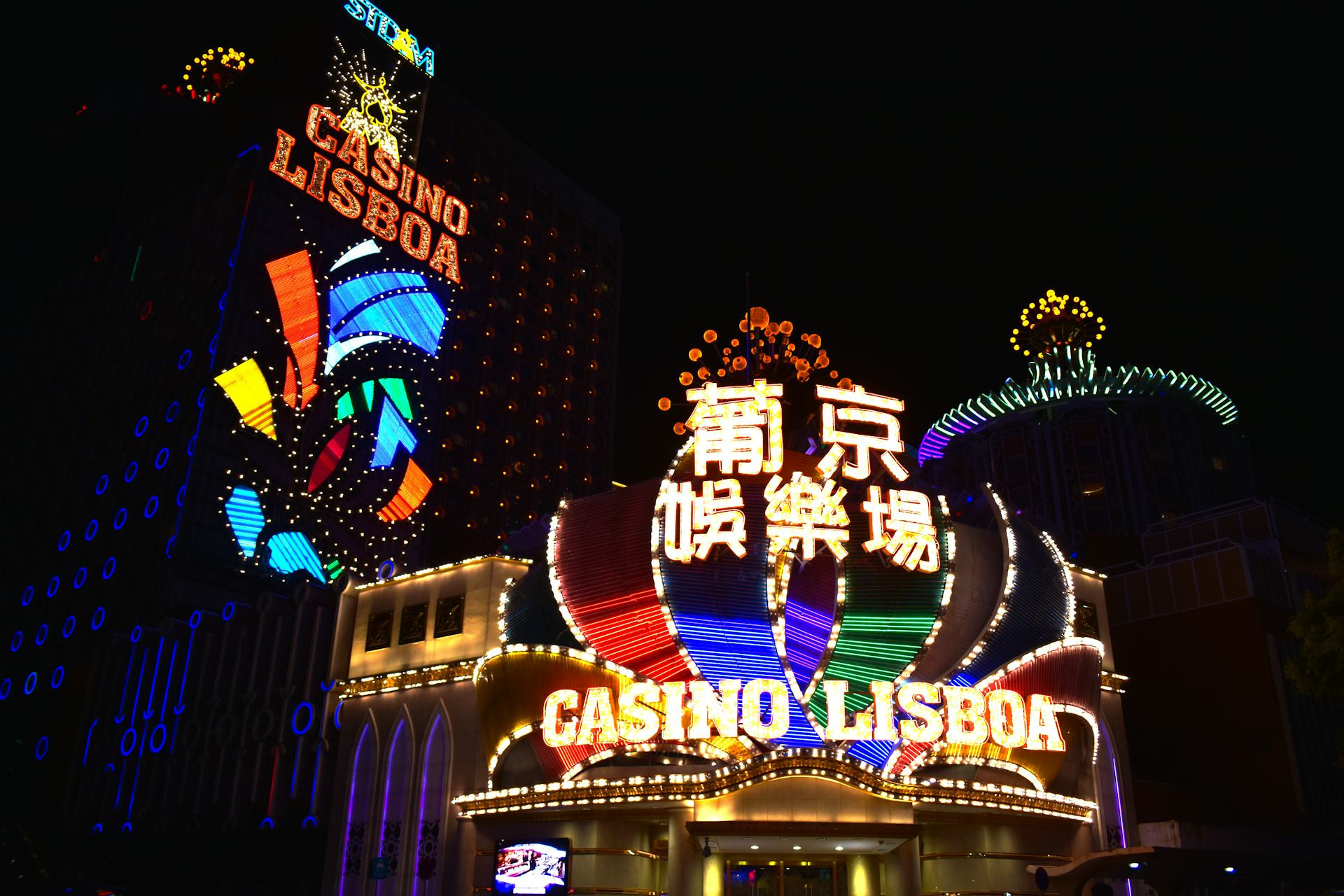
Today, the world’s largest gambling hub is no longer in the United States but in China. Macau, a former Portuguese colony, has since the early 2000s overtaken Las Vegas in gaming revenue. It is a dazzling fusion of Eastern tradition and Western luxury.
Casinos such as The Venetian Macau and City of Dreams are not mere replicas of their American counterparts – they are larger, more extravagant, and technologically advanced. Macau has turned gambling into part of a broader cultural and leisure industry, blending shopping, dining, and entertainment. It demonstrates how the casino has evolved from an exclusive pastime into a global business phenomenon.
Atlantic City – The Dream That Faded
In the 1970s, Atlantic City in New Jersey sought to become the East Coast’s answer to Las Vegas. Legalising casinos in 1976 sparked a boom, with venues like Resorts International and Trump Plaza drawing millions of visitors. For a time, the city symbolised American optimism and renewal.
However, competition from Las Vegas and later from online gambling eroded its success. Many casinos closed, and the city has struggled to reinvent itself. Atlantic City stands as a reminder that the casino industry, for all its glamour, is vulnerable to economic shifts and technological change.
Online Casinos – The Digital Revolution
The 1990s brought a new frontier: the internet. The first online casinos allowed players to enjoy blackjack, roulette, and poker from their own homes. This innovation transformed gambling forever – making it global, accessible, and constant.
Today, online casinos are a multibillion-pound industry. Live dealers, virtual reality, and mobile gaming have made the experience more immersive than ever. The casino is no longer a physical place but a portable experience, carried in one’s pocket. This digital evolution both challenges and continues the legacy of the grand gaming halls of the past.
Læs også:

The Cultural Legacy of Casinos
Casinos have always reflected the spirit of their times. They are places of dreams, decadence, and daring – but also of innovation and social change. From Monte Carlo’s aristocratic grace to Macau’s futuristic mega-resorts, they tell the story of humanity’s enduring desire to test fate.
Though the forms may change, the essence remains: the thrill of risk, the hope of reward, and the sense of being part of something larger than oneself. Casinos are not merely venues for gambling – they are halls of legends, where the story of chance continues to be written.
Læs også: