Men and Communities: From Friendship Groups to Club Communities


Men and Communities: From Friendship Groups to Club Communities
Communities play a vital role in many men’s lives – from informal friendship groups that meet for a pint or a football match, to more organised clubs where shared interests, projects and experiences bring people together. In a time marked by busy schedules, individualism and digital distance, these communities become an important anchor. They offer not only social connection, but also identity, support and a sense of purpose.
Friendships That Last – and Those That Change
Many men have friendships that go back years – from school, sport or work. But as life moves on, careers, families and relocations can make it harder to stay in touch. Yet research shows that men who maintain close relationships tend to enjoy better mental and physical health.
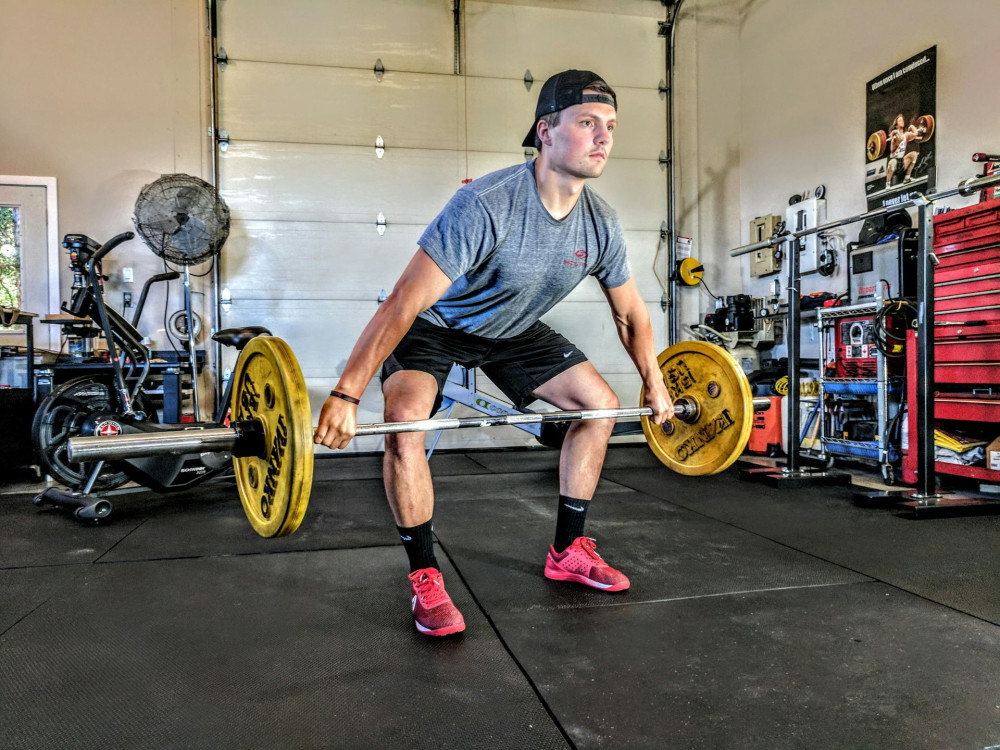
It often takes effort. While women are generally more likely to nurture relationships through conversation, men’s friendships are often activity-based. Shared projects, sports or hobbies become the spaces where friendships live and grow.
From Pastime to Community – When Interests Unite
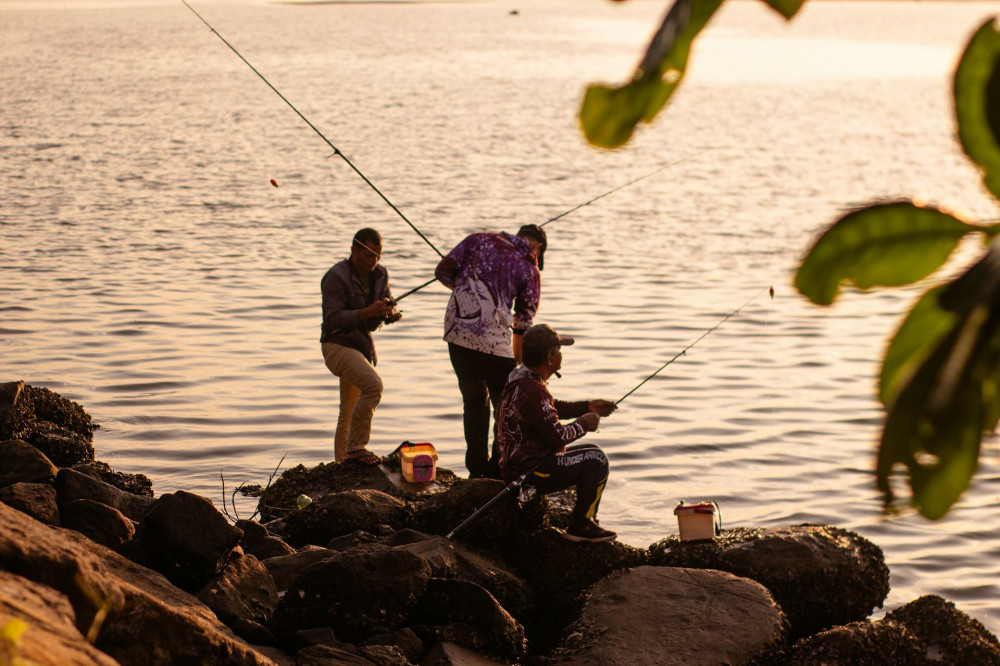
For many men, the strongest sense of belonging arises around a shared passion. It might be football, cycling, fishing, gaming, cooking or restoring old cars. In clubs and societies, people meet around something concrete – but what truly binds them is the social connection.
A club community provides structure and continuity. Regular meetings, events and traditions make it easier to maintain contact. At the same time, they create a sense of belonging, where members can share experiences, learn new skills and feel part of something bigger.
The Importance of Belonging for Wellbeing
Social connections have a profound impact on men’s mental health. Loneliness among men is a growing concern in the UK, particularly in midlife, when social networks often shrink. Here, communities can act as a counterbalance – a place where one can simply be oneself, without pressure to perform.
It’s not always about deep emotional conversations, but about having a space where you’re seen and heard. For some, that’s the local football club; for others, it’s a workshop, a running group or a volunteer project. These communities offer a break from daily demands and a chance to recharge through shared activity.
New Forms of Community
In recent years, new types of men’s groups have emerged, combining social connection with wellbeing and personal growth. Examples include walking or running clubs that focus on mental health, men’s sheds that bring people together through practical projects, and community initiatives that encourage volunteering and mutual support. These spaces are not just about the activity itself, but about creating room for conversation and connection.
Digital communities have also become more significant. Online forums, gaming groups and social media networks can help men stay connected, especially when distance or time make it difficult to meet in person. Still, many find that face-to-face interaction offers something irreplaceable – the humour, warmth and shared experiences that screens can’t fully replicate.
How to Strengthen Your Communities
Being part of a community means contributing to it. Small steps can make a big difference:
- Take the initiative – invite friends to an activity instead of waiting for someone else to organise it.
- Be curious – ask about others’ interests and be open to joining new groups.
- Show up regularly – consistency builds trust and strengthens relationships.
- Share both the good and the difficult – honesty fosters deeper connections.
What matters most isn’t how many groups you belong to, but whether you have spaces where you feel at home.
Læs også:


Community as a Source of Strength
Men’s communities are changing, but their importance remains constant. Whether it’s a sports club, a men’s group or a circle of friends, it’s through connection with others that many men find energy, identity and joy. Communities allow us to share life’s big and small moments – and remind us that no one has to stand alone.
Læs også: