When Grief Returns – How to Take Care of Yourself on Anniversaries and Special Dates

When Grief Returns – How to Take Care of Yourself on Anniversaries and Special Dates
When you’ve lost someone you love, time can feel as though it’s slowly carrying you forward – until a birthday, an anniversary, or another special date suddenly brings the grief close again. It can take you by surprise, even years later, stirring emotions you thought had settled. But it’s completely natural for grief to return in waves. Here are some ways to look after yourself when those meaningful days come around.
When Grief Feels Fresh Again
Anniversaries and special dates act like small time capsules, bringing memories into sharp focus. You might remember what you were doing on that day, or how you used to celebrate together. Those memories can bring warmth and comfort, but also pain.
It doesn’t mean you’re “back to square one.” In fact, it’s a sign that your loss still matters – and that your love for the person endures. Feeling grief again is part of the natural rhythm of healing.
Læs også:



Preparing for the Day
When you know a significant date is approaching, it can help to plan how you’d like to spend it. Having a plan gives you a sense of control and can ease the anxiety of not knowing how you’ll feel.
- Make a plan – think about whether you’d prefer to be alone, with family, or with friends. There’s no right or wrong choice; it’s about what feels best for you.
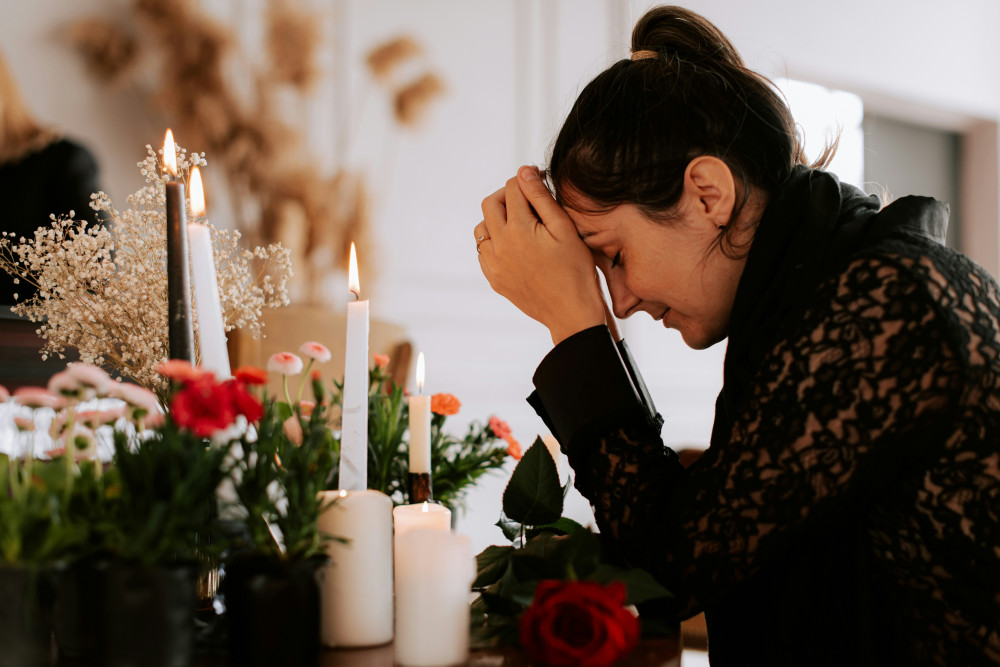
- Create a ritual – light a candle, visit a special place, cook their favourite meal, or look through old photos. Small acts of remembrance can bring comfort and meaning.
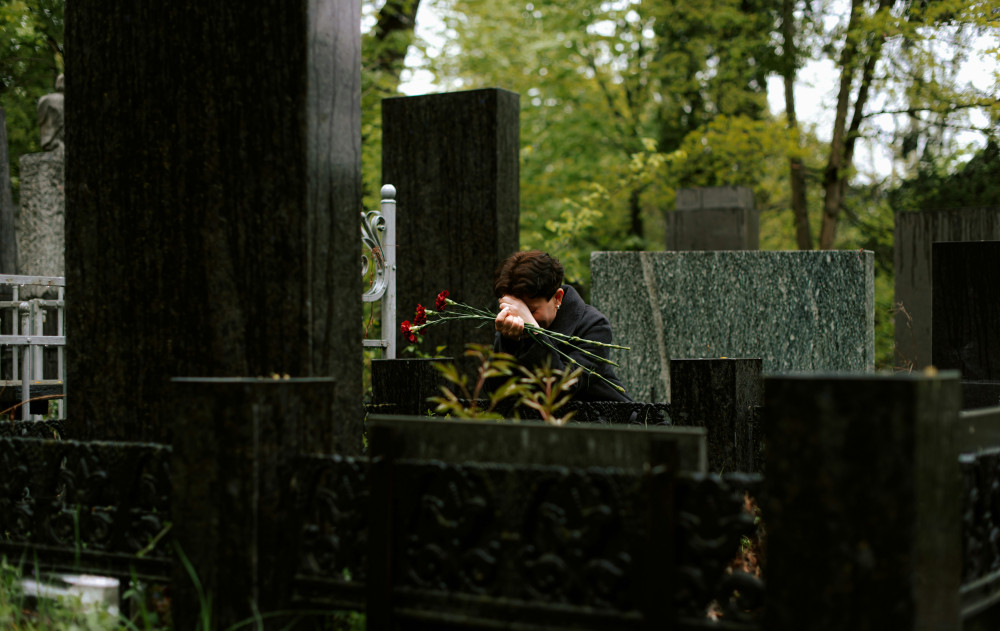
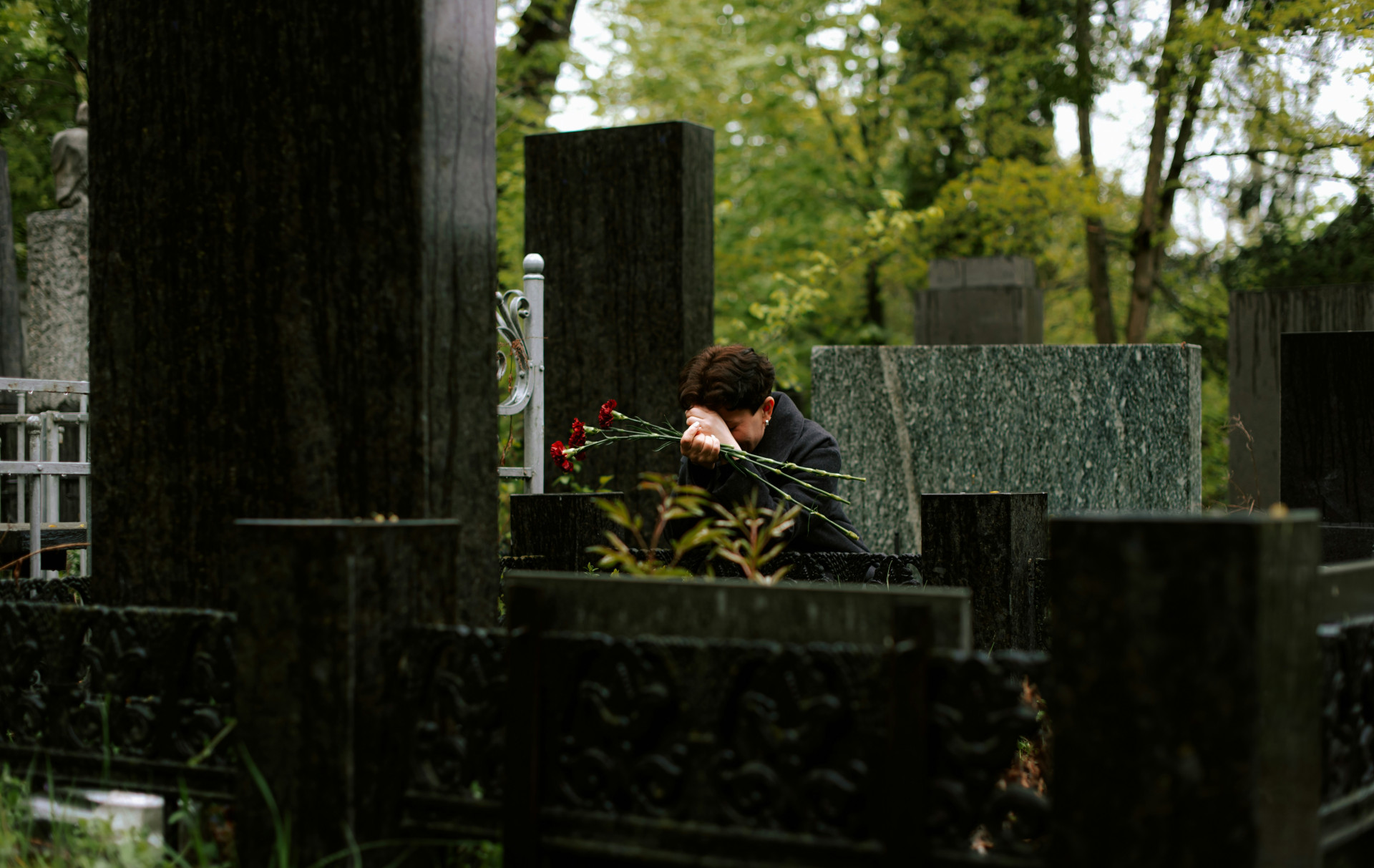
- Allow your feelings – you don’t have to “keep it together.” Let yourself cry, feel angry, or simply miss them. These emotions are part of honouring your loss.
Some people find it helpful to write down their thoughts in the days leading up to the anniversary – a gentle way to prepare emotionally and reflect on what the day means.
Finding Support in Others
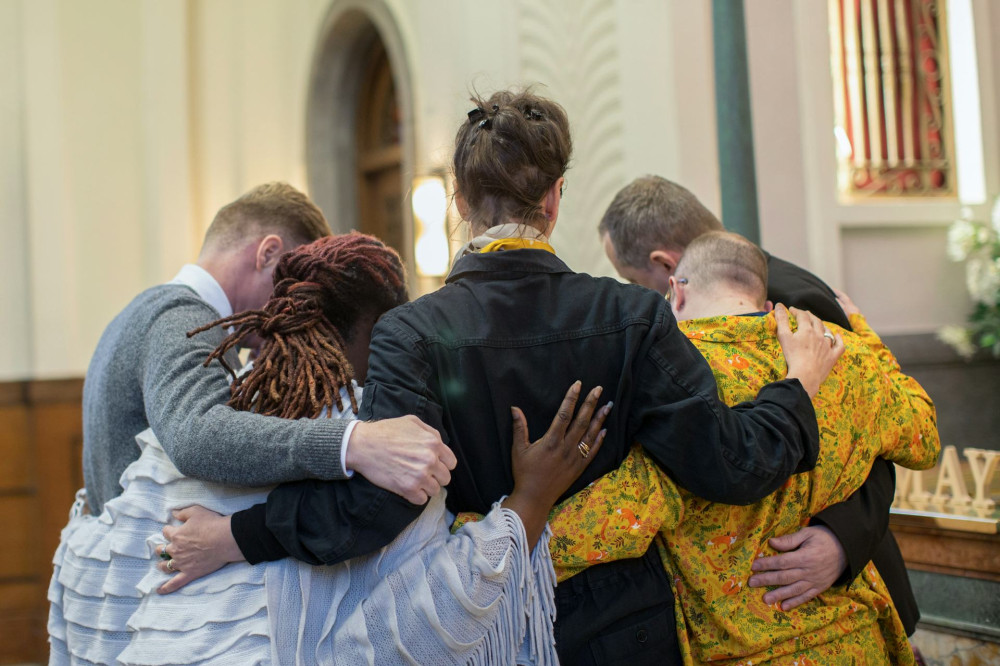
Grief can feel isolating, but it’s rarely helpful to carry it entirely on your own. Sharing the day with someone who understands can make a real difference. That might be a family member, a close friend, or a bereavement support group.
If you don’t feel like talking, that’s okay too. Sometimes just being with someone – watching a film, going for a walk, or sharing a meal – can bring quiet comfort. It’s not about fixing the grief, but about having company that can hold space for it.
For some, especially men who may find it harder to talk about loss, doing something practical together – gardening, walking, or working on a project – can make it easier for conversation to flow naturally.
Giving Yourself Permission to Choose
There’s no single “right” way to mark an anniversary. Some people want to make it a day of remembrance; others prefer to let it pass quietly. Both are equally valid.
If you usually take part in a tradition but don’t feel up to it this year, it’s perfectly fine to step back. Or you might decide to do something new – perhaps start a tradition that reflects where you are in your life now.
What matters most is listening to yourself and doing what feels right for you, not what you think you “should” do.
When the Grief Feels Heavier Than Expected
Sometimes an anniversary can stir up emotions that feel overwhelming. You might feel more tired, lose your appetite, or find it hard to concentrate. That’s normal, but if it continues, it may help to reach out for support.
Talking to a friend, a counsellor, a faith leader, or joining a bereavement group can help you find your footing again. Seeking help isn’t a sign of weakness – it’s a way of taking your grief seriously and caring for yourself.
If you’re struggling and need immediate support, you can contact organisations such as Cruse Bereavement Support (0808 808 1677) or Samaritans (116 123), who are available to listen at any time.
Living With Grief – Not Without It
Grief doesn’t disappear, but it changes shape. Over time, it becomes part of your life story – something you carry with you, but that no longer overshadows everything. Anniversaries can remind you not only of what you’ve lost, but also of how far you’ve come, and of the love that still lives in your memories.
Taking care of yourself on these days isn’t about avoiding grief; it’s about giving it a safe place to rest. In doing so, anniversaries and special dates can become moments not just of sorrow, but of connection, reflection, and enduring love.
Læs også: