From Carburettor to Hybrid: The Evolution of the Car Engine Towards Efficiency and Sustainability

From Carburettor to Hybrid: The Evolution of the Car Engine Towards Efficiency and Sustainability
The car engine has undergone a remarkable transformation since the first petrol engines rumbled onto British roads in the early 20th century. From simple carburettors and mechanical systems to advanced hybrid and electric technologies, the goal has always been the same: to get more from every drop of fuel – and today, to do so with the least possible impact on the environment. This article explores how the engine has evolved from noisy combustion to intelligent energy management.
The Age of the Carburettor – Simplicity and Mechanics
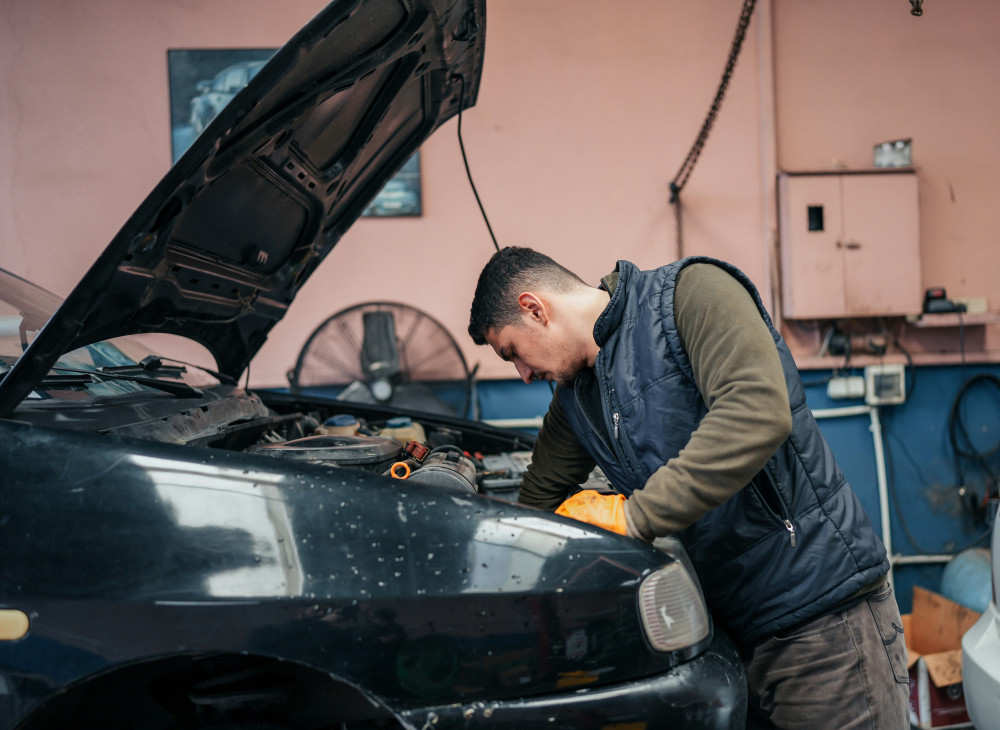
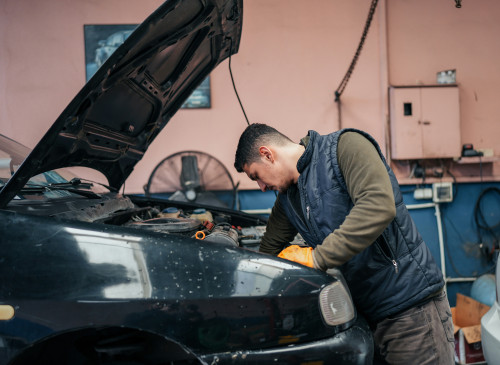
In the early days of motoring, the carburettor was the heart of the engine’s fuel system. It mixed air and petrol in the right proportions to keep the engine running smoothly. The system was simple, robust, and easy to repair, but it lacked precision. Changes in temperature, altitude, or wear could easily affect performance and fuel economy.
By the 1970s and 80s, carburettors were gradually replaced by electronic fuel injection. This marked a decisive step towards more accurate control of engine operation – and the beginning of the digital car.
Electronic Control and the Catalytic Converter Revolution
With electronic fuel injection came the computerisation of the engine bay. Sensors began to monitor air pressure, temperature, and exhaust gases, while an electronic control unit adjusted the fuel mixture in real time. The result was lower fuel consumption, better performance, and reduced emissions.
At the same time, the catalytic converter became standard in the 1980s, particularly after the introduction of unleaded petrol in the UK. It converted harmful gases such as carbon monoxide and nitrogen oxides into less dangerous substances. The combination of electronic control and catalytic technology made petrol engines far cleaner and set the stage for the environmental standards we know today.
The Diesel Boom – and Its Challenges
Diesel engines, once reserved for lorries and agricultural machinery, became popular in British passenger cars during the 1990s and 2000s. They were more efficient than petrol engines and emitted less CO₂ per mile, making them attractive to drivers conscious of both fuel costs and environmental impact.
However, the diesel boom came with a price. Fine particles and nitrogen oxides from diesel exhaust proved harmful to health, and after the emissions scandals of the 2010s, public trust in diesel technology declined sharply. Cities such as London introduced low-emission zones, and the government began to shift incentives towards cleaner alternatives. It became clear that the future of motoring would have to be reimagined.
Hybrid Technology – A Bridge to an Electric Future
Hybrid cars combine the best of both worlds: a combustion engine and an electric motor working together to maximise efficiency. At low speeds or in city traffic, the car can run on electricity alone, while the petrol engine takes over on longer journeys. Energy from braking is recovered and stored in the battery – a principle that significantly reduces fuel consumption.
Early hybrids were met with scepticism, but today they are a common sight on British roads. They have proven that electrification does not have to mean sacrificing range or flexibility. For many drivers, hybrids have become a practical stepping stone towards fully electric vehicles.
Electrification and Software – The New Era of the Engine
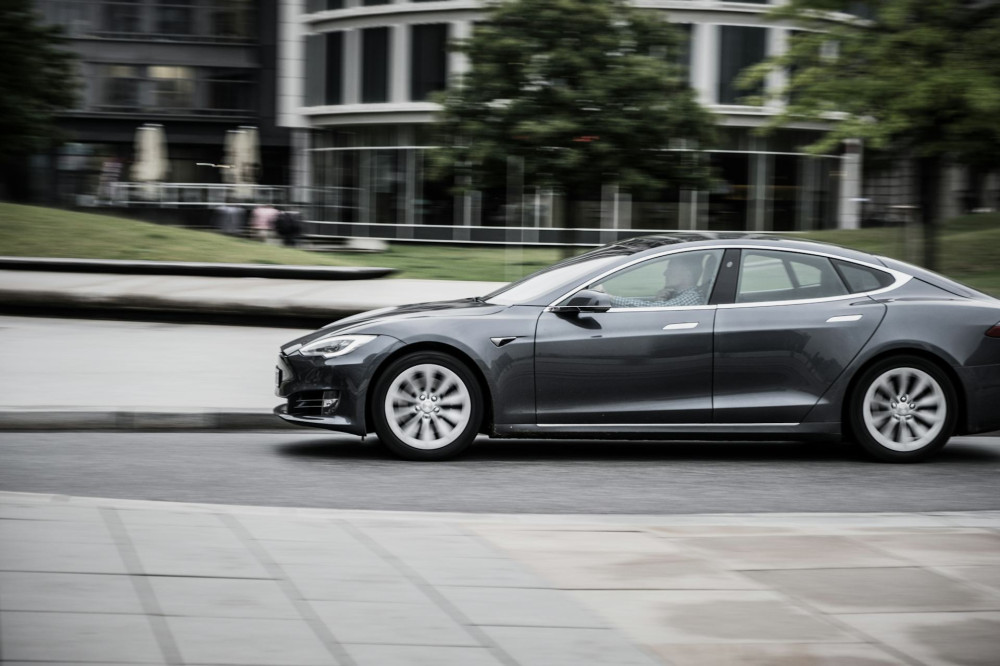
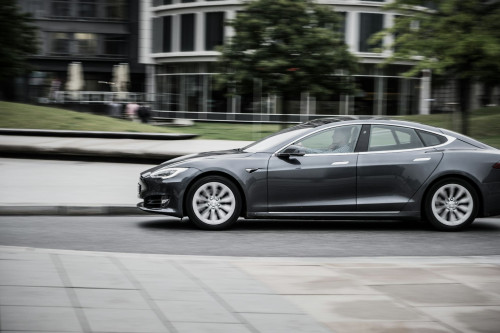
Today, engine development is as much about software as it is about mechanics. Modern cars constantly monitor performance, adjusting ignition, fuel delivery, and energy distribution to make the most of every joule. Plug-in hybrids and fully electric vehicles have taken this further, with the combustion engine playing a smaller role – or disappearing altogether.
Manufacturers are also exploring synthetic and biofuels that could make existing engines more climate-friendly, while the UK government’s plan to phase out new petrol and diesel cars in the coming years is accelerating innovation. The transition to sustainable mobility is well underway, driven by both regulation and consumer demand.
Læs også:


From Noise to Silence – and from Power to Purpose
The evolution of the car engine mirrors society’s journey from a fascination with power and speed to a focus on responsibility and sustainability. Where the roar of an engine once symbolised freedom, the quiet hum of an electric motor now represents progress.
The future of the car engine is not just about getting from A to B, but about doing so thoughtfully – for the environment, for our shared resources, and for the generations who will travel the roads we build today.
Læs også: