Shapers of the Wind: How Aerodynamics Has Transformed Car Design

Shapers of the Wind: How Aerodynamics Has Transformed Car Design
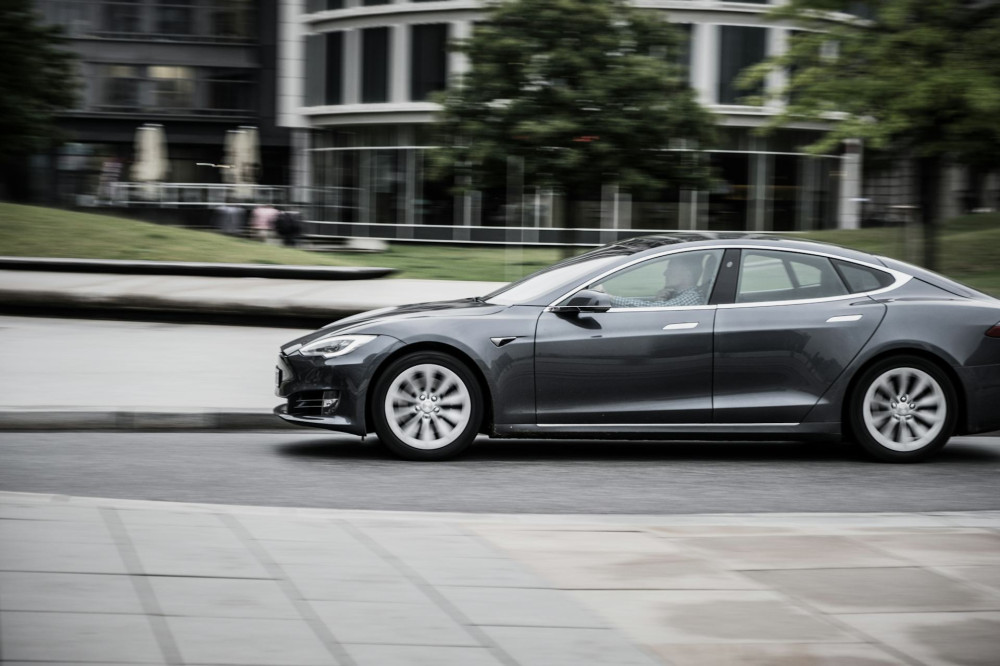
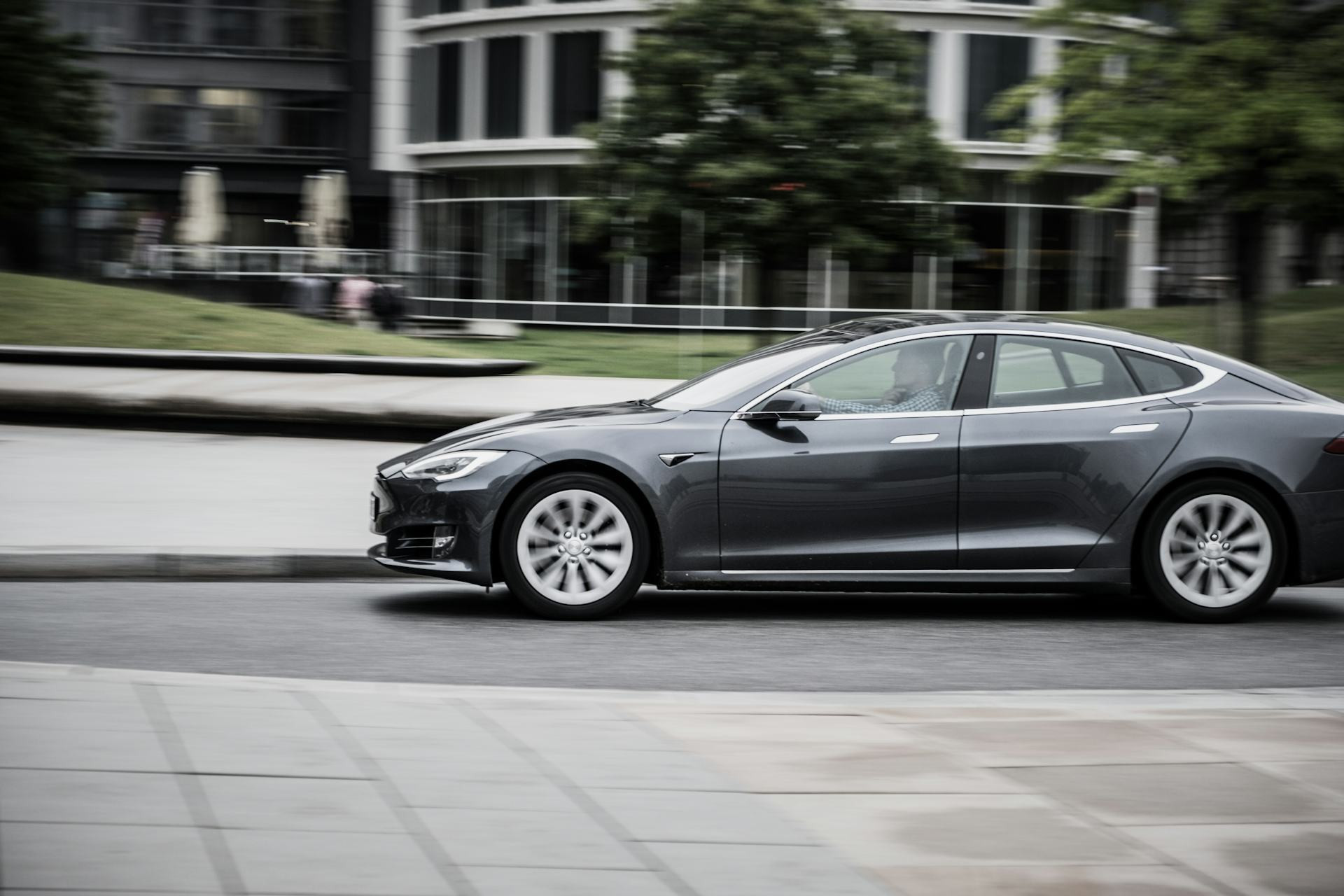
When you watch a modern car glide almost silently down a British motorway, it’s easy to forget how much science is hidden in its shape. The smooth curves, sharp edges and subtle contours are not just about style – they are the result of decades of work to master the invisible force of air. Aerodynamics has transformed car design from boxy machines into sleek, efficient forms where every detail is calculated to reduce drag and improve performance.
From Boxy Beginnings to Streamlined Vision
In the early days of motoring, design was driven by practicality and manufacturing limits. The first cars looked like horse-drawn carriages without the horses, and the idea of air resistance barely existed. But by the 1920s, engineers began to look to the skies for inspiration. The aviation industry had already learned that air could be both an enemy and an ally.
One of the pioneers was the German engineer Paul Jaray, who worked on Zeppelin airships before applying his knowledge to cars. His teardrop-shaped prototypes looked futuristic – even odd – at the time, but they laid the foundation for the streamlined silhouettes we now take for granted.
The Invisible Opponent
As a car moves, it must push air out of the way. The more resistance it meets, the more energy it needs to maintain speed. Aerodynamics is the science of reducing that resistance while keeping the car stable, cool and safe.
A key measure is the drag coefficient (Cd) – a number that shows how efficiently a car moves through the air. In the 1970s, many cars had a Cd around 0.45. Today, some electric vehicles achieve values as low as 0.20 or even less. That difference translates directly into lower energy use, better fuel economy and longer range.
Læs også:




Balancing Form and Function
Aerodynamics is not just about making cars slippery. It’s a delicate balance between form, function and aesthetics. Airflow must cool the brakes and battery, keep the car planted on the road and still look appealing to the eye.
Small details make a big difference:
- Spoilers and diffusers guide airflow and improve grip.
- Flush door handles and smooth underbodies reduce turbulence.
- Sharp rear edges help air detach cleanly, preventing drag-inducing vortices.
Even mirrors, wheel designs and roof antennas are tested in wind tunnels to find the most efficient shapes. British manufacturers such as Jaguar and Aston Martin have long used these facilities to refine their cars – not just for speed, but for stability and refinement.
The Electric Age: Aerodynamics Reborn
The rise of electric vehicles has given aerodynamics a new importance. Where petrol engines could overcome poor design with more power, electric cars must make every watt count. Lower drag means longer range – a crucial factor for drivers planning long trips across the UK’s growing EV charging network.
That’s why we now see cars with ultra-smooth surfaces, hidden wipers and near-seamless bodywork. From the Tesla Model 3 to the Hyundai Ioniq 6 and the British-built Lotus Emeya, manufacturers are competing to create the most aerodynamic shapes ever seen on the road. Efficiency has become a new form of beauty.
The Wind as a Design Partner
Today, aerodynamics is no longer an afterthought but a central part of the design process. Advanced computer simulations and wind tunnels allow engineers to test hundreds of variations before a single prototype is built. The result is cars that don’t just look fast – they truly are faster, quieter and more efficient.
Aerodynamics has turned the wind from an obstacle into a collaborator. It has shaped the way cars look, improved how they perform and made driving more sustainable. So the next time a car glides past you on a quiet British road, remember: its elegant form is the product of a silent partnership between human ingenuity and the natural flow of air.
Læs også: