Beer in the Pot: How Different Types of Beer Affect the Flavour of Your Dishes

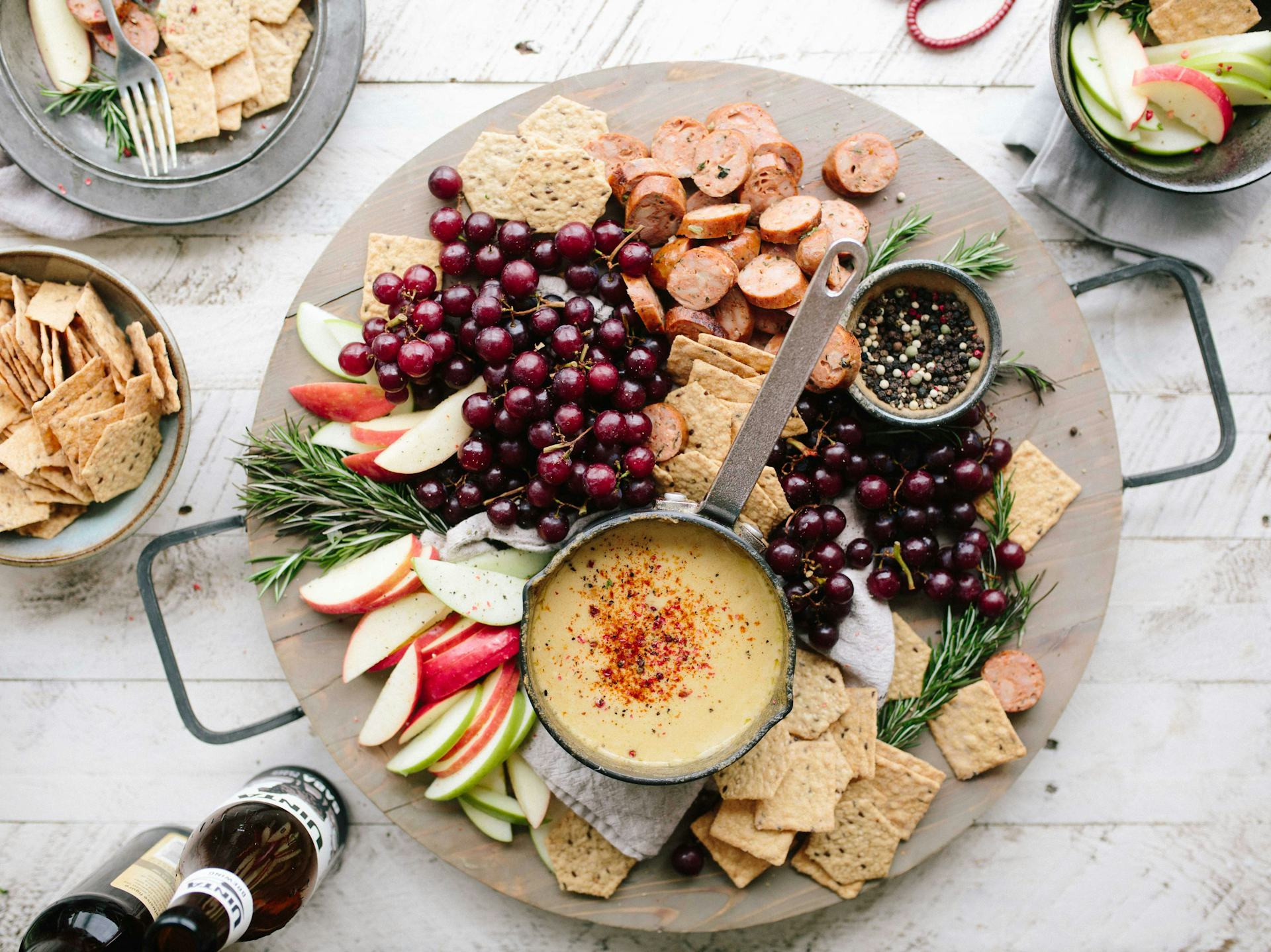
Beer in the Pot: How Different Types of Beer Affect the Flavour of Your Dishes
Beer isn’t just for drinking – it’s also a brilliant ingredient in the kitchen. From hearty stews to light batters, beer can add depth, sweetness, and a touch of bitterness, depending on the style you choose. But how exactly do different types of beer influence the flavour of your dishes? Here’s a guide to cooking with beer – and how to pick the right one for the job.
Beer as a Flavour Booster – More Than Just Liquid
When you add beer to a dish, you’re not only adding liquid but also complex flavours from malt, hops, and yeast. As the dish cooks, most of the alcohol evaporates, leaving behind rich aromas that blend beautifully with other ingredients. The result is a rounder, more layered taste.
Beer can be used in marinades, sauces, breads, and even desserts. The key is to match the beer to the character of the dish – much like pairing wine with food.
Light Beers – Freshness and Subtlety
Light lagers, pilsners, and wheat beers are great when you want to add freshness and a gentle bitterness. They work particularly well with fish, chicken, or vegetables, where you don’t want the beer to overpower the dish.
- Pilsner brings a clean, crisp bitterness that cuts through creamy sauces or fried coatings.
- Wheat beer often has fruity notes of banana or citrus, making it perfect for summery dishes or as a base for a chicken marinade.
- Golden or pale ale adds a mild caramel sweetness that complements pork or roasted vegetables.
A handy tip: use light beer in batter – for example, in fish and chips – where the carbonation makes the coating airy and crisp.
Dark Beers – Depth and Sweetness
Dark beers such as porter, stout, and brown ale are ideal for slow-cooked dishes, where they can add a rich, almost caramelised flavour. The roasted malts bring notes of coffee, chocolate, and toasted bread that develop beautifully over time.
- Stout is perfect in beef or lamb stews, where its dark bitterness balances the richness of the meat.
- Porter has a rounder sweetness and works well with pork or as a base for a robust gravy.
- Brown ale offers a nutty depth that pairs wonderfully with chicken or mushrooms.
Dark beer can also shine in desserts – try adding a splash of stout to a chocolate cake to enhance the cocoa’s bitterness and complexity.
IPA and Hoppy Beers – Handle with Care
India Pale Ales (IPAs) and other hop-forward beers have a pronounced bitterness that can be tricky to manage in cooking. Use them sparingly, especially in dishes that already contain bitter ingredients like kale or dark greens.
That said, a mild IPA can add an exciting contrast in dishes with sweetness, such as caramelised pork or grilled chicken. The hop bitterness can also balance a sweet glaze or sauce.
A good rule of thumb: reduce hoppy beers gently, as their bitterness intensifies when concentrated. Taste as you go to keep the balance right.
Beer in Baking and Desserts
Beer can work wonders in baking too. The carbonation lightens doughs and batters, while the malt adds subtle sweetness and depth.
- Light beer gives pancakes and waffles a delicate crispness.
- Dark beer enriches cakes, breads, and brownies with a deep, roasted flavour.
- Wheat beer pairs beautifully with fruit cakes or can be reduced into a syrup for ice cream and puddings.
A classic trick is to use beer in bread dough – it helps create a lovely crust and a gentle tang reminiscent of sourdough.
Læs også:
Choosing the Right Beer for the Dish
When selecting beer for cooking, think like a chef pairing wine with food:
- Light beers for delicate dishes.
- Dark beers for hearty, rich meals.
- Hoppy beers for sweet or fatty dishes, where bitterness can bring balance.
And remember: always cook with a beer you enjoy drinking. If you don’t like it in the glass, you probably won’t like it in the pot either.
Beer in the Pot – A Taste of Craft
Cooking with beer is all about experimenting and finding harmony between sweetness, bitterness, and body. It can elevate a simple dish into something special – and gives you a good excuse to open an extra bottle while you cook.
So next time you’re in the kitchen, let beer take a place in the pot. It’s an easy way to add character to your dishes – and you might just discover flavour combinations you never expected.
Læs også: