From Idea to Plate – Make Cooking an Experience in Itself

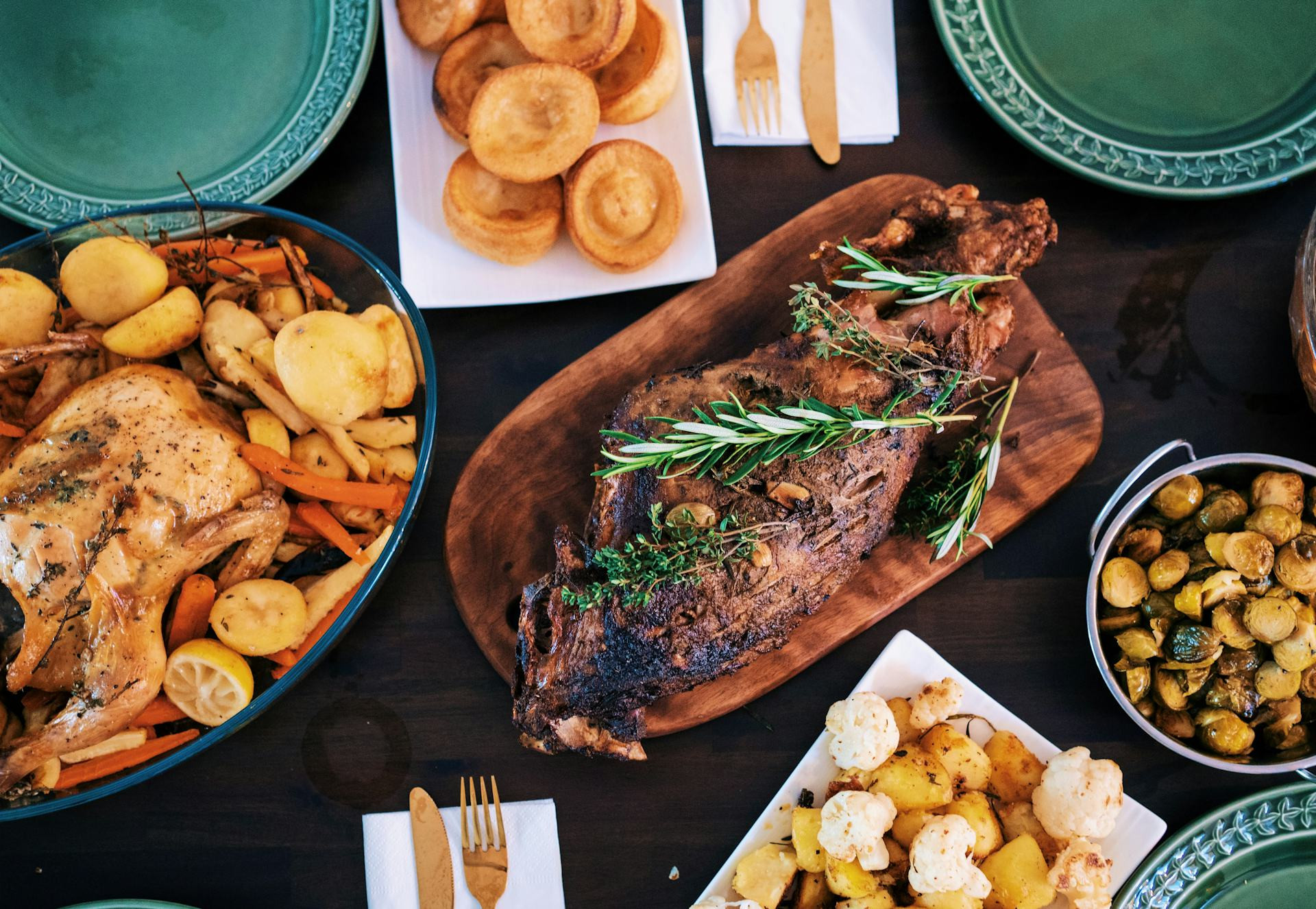
From Idea to Plate – Make Cooking an Experience in Itself
For many of us, cooking is a daily necessity – something squeezed in between work, errands, and evening plans. But what if it could be more than that? What if it became a moment to unwind, to be creative, and to enjoy the process as much as the meal itself? Turning cooking into an experience isn’t about spending hours in the kitchen; it’s about shifting your mindset – from duty to delight.
Start with the idea – and let inspiration guide you
Every great dish begins with an idea. It might be a memory of a meal you had on holiday, a seasonal ingredient at your local market, or a recipe you spotted online that made your mouth water. Inspiration is everywhere – in the changing seasons, in conversations with friends, or in a new restaurant you’ve just discovered.
Try thinking in themes: “Mediterranean evening”, “comfort food Sunday”, or “meat-free Monday with a twist”. Once you have a direction, it’s easier to choose ingredients and create a sense of flow in your meal. And remember – it doesn’t have to be perfect. The joy lies in experimenting.
Læs også:
Make preparation part of the experience
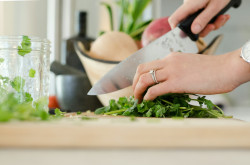
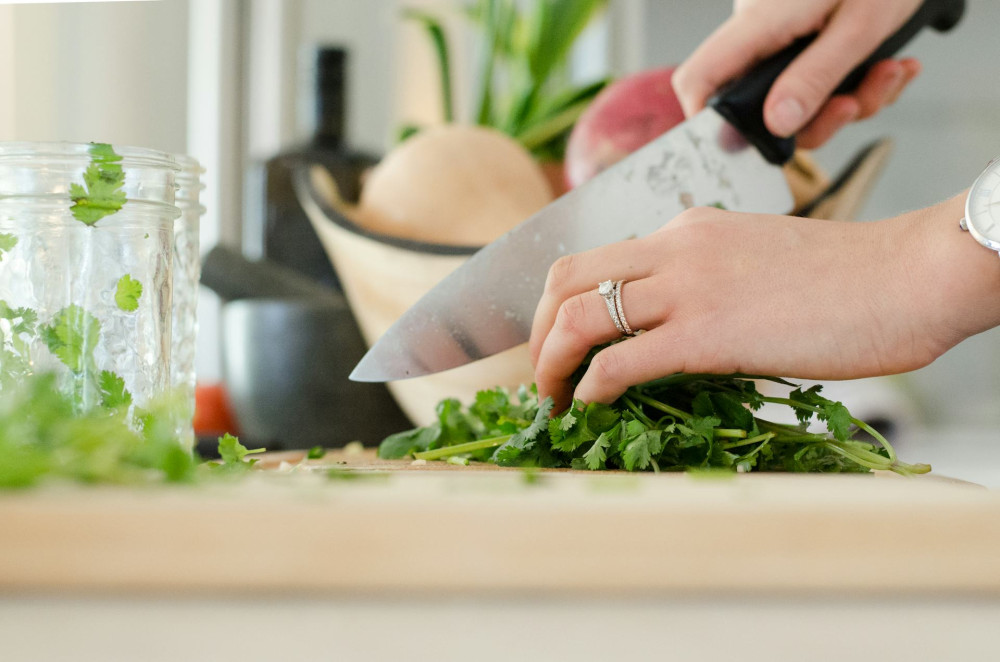
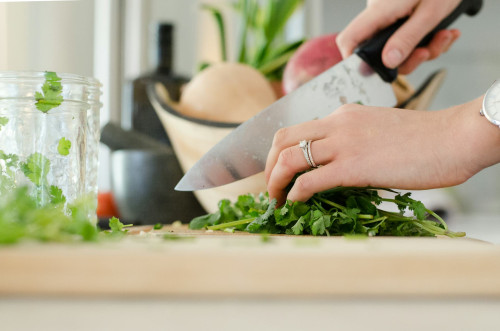
For many, the prep work feels like the boring bit – but that’s actually where the magic begins. Chopping vegetables, marinating meat, or stirring a sauce can be wonderfully calming if you take your time. Put on some music, pour yourself a glass of wine or a cup of tea, and let the pace slow down.
A good tip is to get your kitchen ready before you start. Clear the worktop, gather your utensils, and set out your ingredients in small bowls. It makes everything more organised and enjoyable. You’ll find it feels less like a chore and more like a small ritual.
Use your senses – and learn to taste as you go
Cooking isn’t just about following recipes; it’s about engaging your senses. Smell the herbs, feel the texture of the dough, and taste your food as it develops. That’s how you learn to understand flavour.
Challenge yourself: How does the taste change when you add acidity, salt, or richness? What happens if you toast your spices first? The more you experiment, the more you’ll learn to trust your instincts – and that’s when cooking becomes truly fun.
Set the scene for your meal
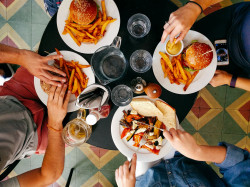
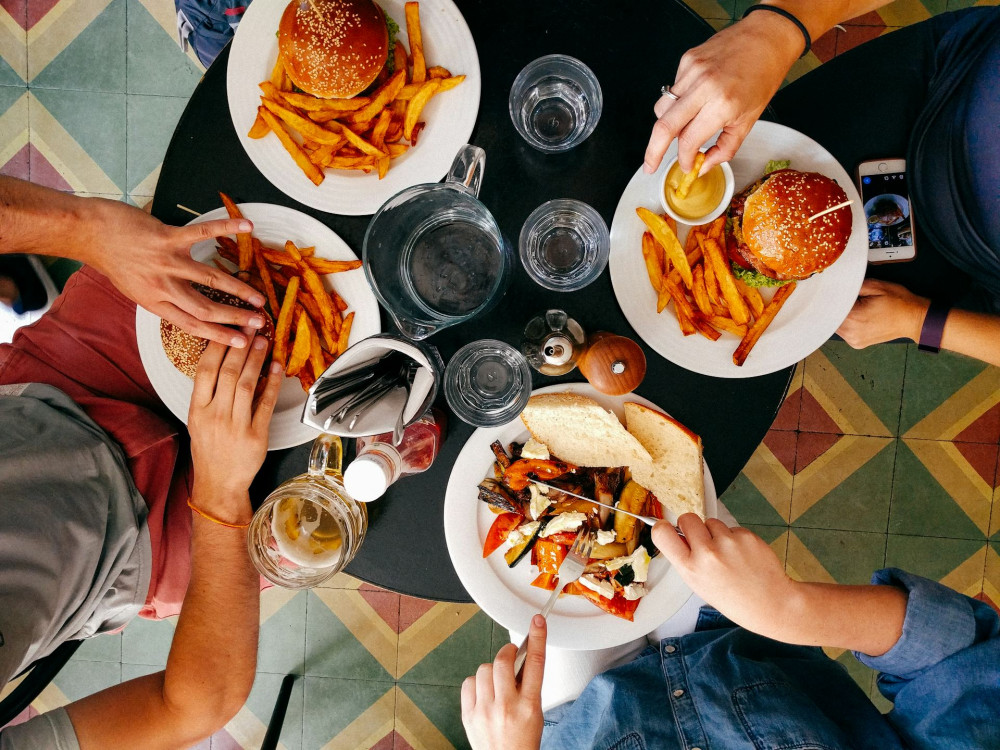
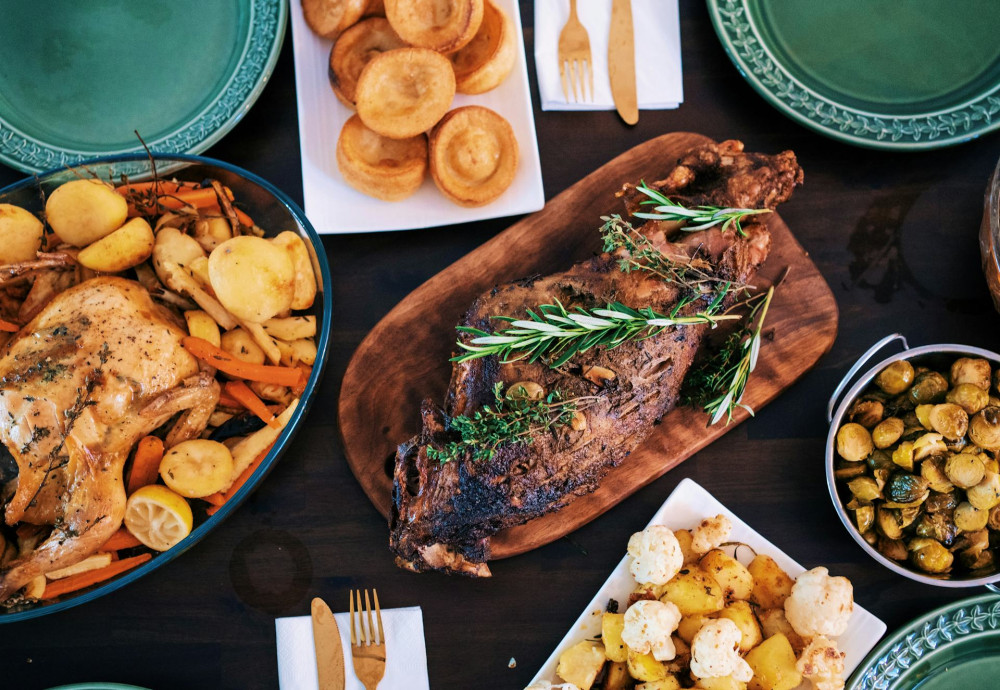
When the food is ready, the experience doesn’t end at the stove. How you enjoy the meal matters just as much. Lay the table nicely, light a candle, and put your phone away. Even a simple bowl of pasta tastes better when the atmosphere invites you to slow down and savour it.
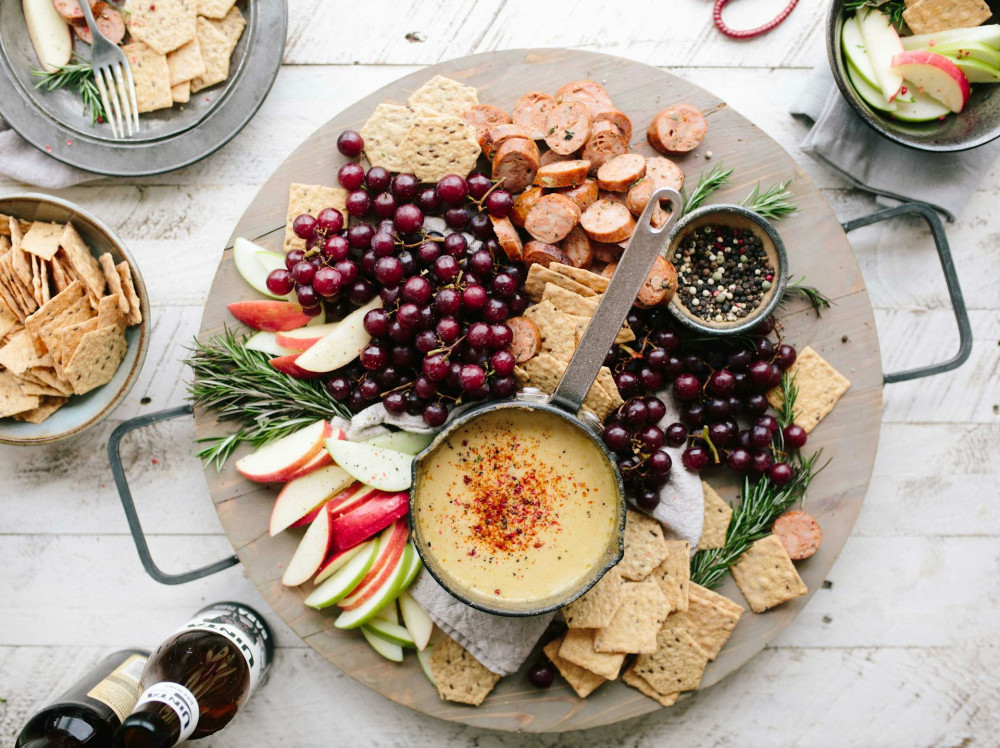
If you’re cooking for others, involve them in the process. Let guests stir the pot, taste the sauce, or choose the wine. It creates a sense of togetherness and turns the meal into something shared – not just eaten.
Learn from mistakes – and celebrate your successes
No one becomes a great cook overnight. Some dishes will be brilliant, others less so. But every attempt teaches you something new. Make notes about what worked and what you’d change next time – maybe “a touch less salt” or “extra lemon zest”.
Over time, you’ll build your own collection of recipes and experiences – a personal food diary that tells the story of your growth in the kitchen.
From everyday task to meaningful moment
Ultimately, making cooking an experience is about being present. It’s a break from screens and schedules, a chance to create something with your hands and enjoy it with all your senses. Whether you’re preparing a quick weekday meal or a special dinner for friends, there’s joy to be found in the process – from idea to plate.
Læs også: