Guest Meals Without Special Dishes: How to Create a Menu That Suits Everyone

Guest Meals Without Special Dishes: How to Create a Menu That Suits Everyone
Hosting a dinner can be a joy – until you start planning the menu. One guest doesn’t eat meat, another avoids dairy, and someone else is gluten-free. Suddenly, what should be a pleasant evening turns into a juggling act of special dishes and dietary notes. But it doesn’t have to be that way. With a bit of planning and flexibility, you can create a menu that feels generous, inclusive, and stress-free – without cooking three different meals.
Here’s how to design a guest-friendly menu that keeps everyone happy and well-fed.
Build Flexibility into Your Menu
The secret to avoiding special dishes is to think in components rather than fixed plates. Instead of serving one set meal, create a spread that allows guests to mix and match according to their preferences.
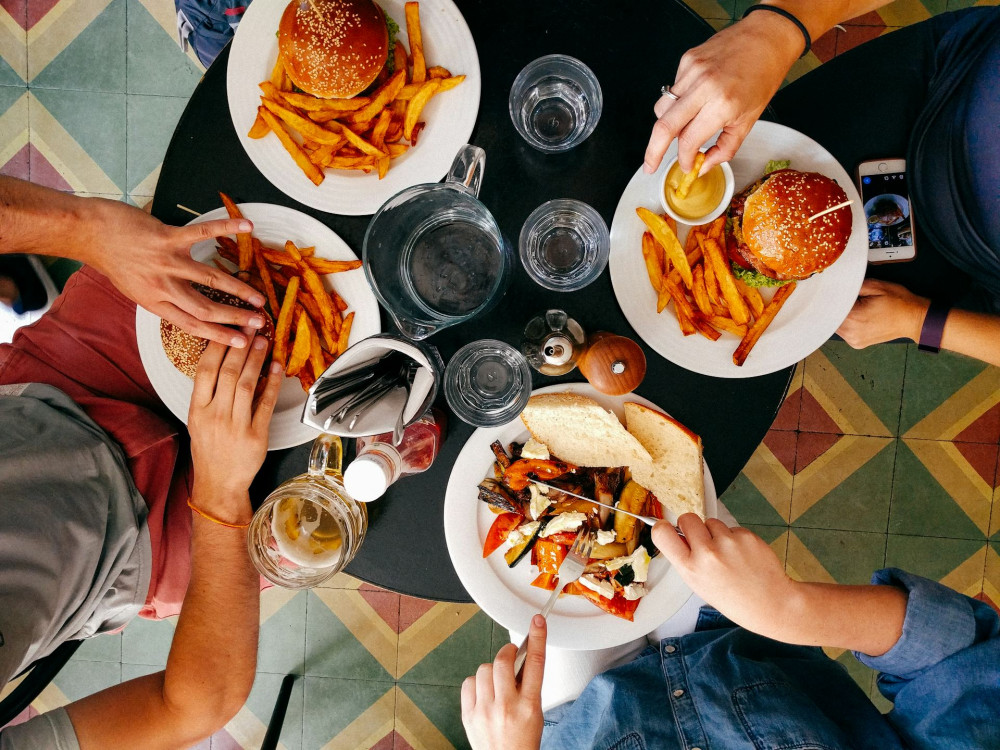
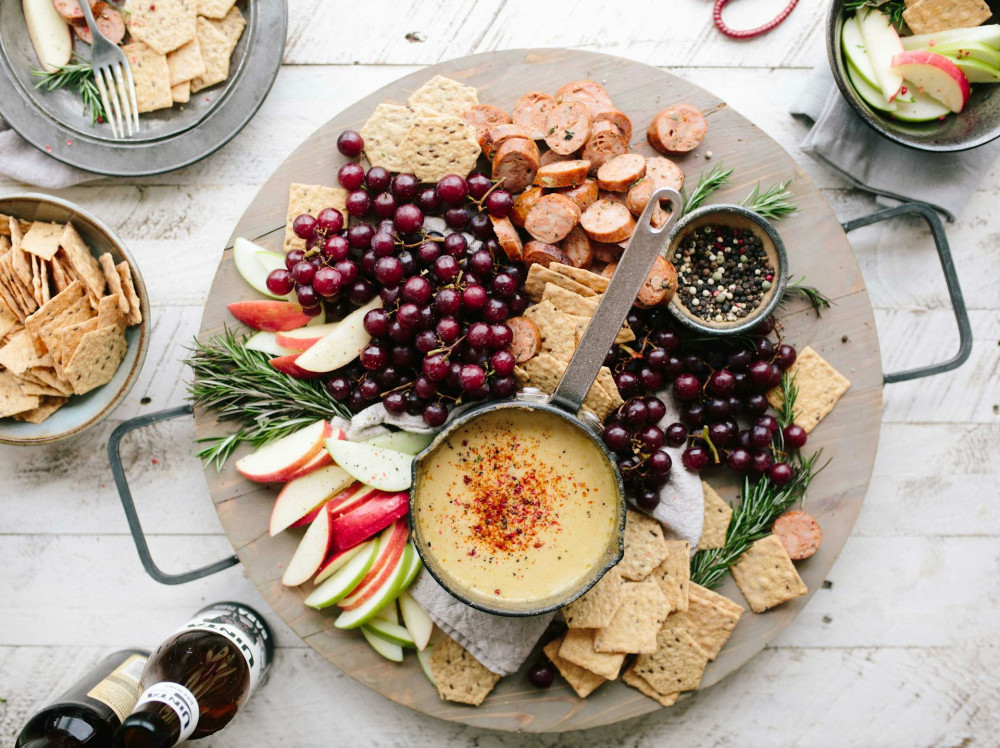
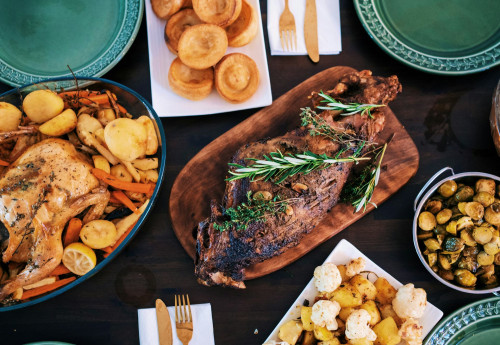
A “build-your-own” or buffet-style meal works brilliantly. Think of a baked potato bar with various toppings, a pasta dish where the sauce and protein are served separately, or a taco night where everyone assembles their own. This approach not only caters to different diets but also makes the meal more interactive and relaxed.
Læs også:
Let Vegetables Take Centre Stage
Rather than starting with meat and adding sides, flip the idea: make vegetables the star of the show. A colourful, flavour-packed vegetable dish can satisfy everyone, and you can offer meat or fish as optional extras.
Try a roasted vegetable traybake with herbs and olive oil, served alongside a simple grilled chicken or salmon option. Or make a hearty vegetable curry that stands on its own, with a side of spiced chickpeas or paneer for those who want more protein. When vegetables lead the way, your menu naturally becomes more adaptable and vibrant.
Choose Dishes That Welcome Variation
Some recipes are naturally flexible and can be adjusted without losing their appeal. These are your best friends when cooking for a mixed group.
- Lasagne can be made with beef, vegetables, or lentils – all equally comforting.
- Curries and stews can be adapted with different proteins or served with rice, couscous, or naan.
- Salads can be layered with grains, roasted veg, cheese, or nuts, depending on what your guests enjoy.
- Soups are easy to customise with toppings like croutons, herbs, or crispy bacon on the side.
By choosing dishes that tolerate variation, you can keep your prep simple while still offering choice.
Don’t Forget the Details
Small touches make a big difference. Think about inclusivity not just in the main course but across the whole meal.
- Bread: Offer a good sourdough loaf and a gluten-free option.
- Dressings: Provide both creamy and dairy-free vinaigrette versions.
- Desserts: A fruit platter, chocolate pots, or mini tarts can be combined so everyone gets something sweet.
You don’t need to make everything from scratch – just plan with variety in mind.
Keep It Manageable
A great host enjoys the evening too. Choose dishes that can be prepared in advance or that don’t require last-minute fussing. A slow-cooked stew or baked dish that improves with time is ideal, as is a dessert that can chill in the fridge overnight. Set the table early, have serving dishes ready, and give yourself time to relax before guests arrive.
Create a Welcoming Atmosphere
At the end of the day, the best dinner parties aren’t about perfection – they’re about connection. When you serve food that’s designed to be shared and customised, you send a message that everyone belongs at your table.
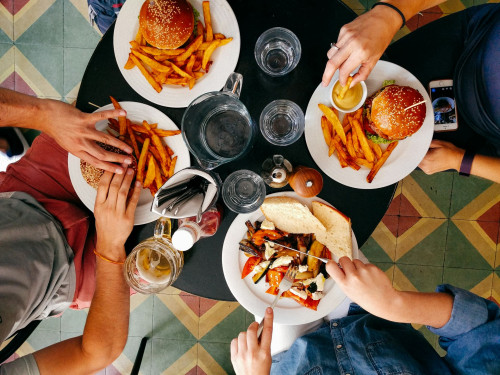
Put the dishes out, let people help themselves, and enjoy the easy flow of conversation. A menu that suits everyone isn’t just about food – it’s about making every guest feel comfortable, included, and at home.
Læs også: